Without a question, Bangladesh is one of Asia’s hidden gems, but sadly, Bangladesh hasn’t developed the finest reputation outside (primarily because of a combination of political instability and natural calamities). Bangladesh is largely unknown and hasn’t seen much tourism, so a foreign face will draw a lot of curiosity, nearly usually of a pleasant and kind character.
This ultimate travel guide for Bangladesh will give you helpful and inspiring tips to make the most out of your trip to Bangladesh.
Bangladesh Document Checklist
- Visa (if required)
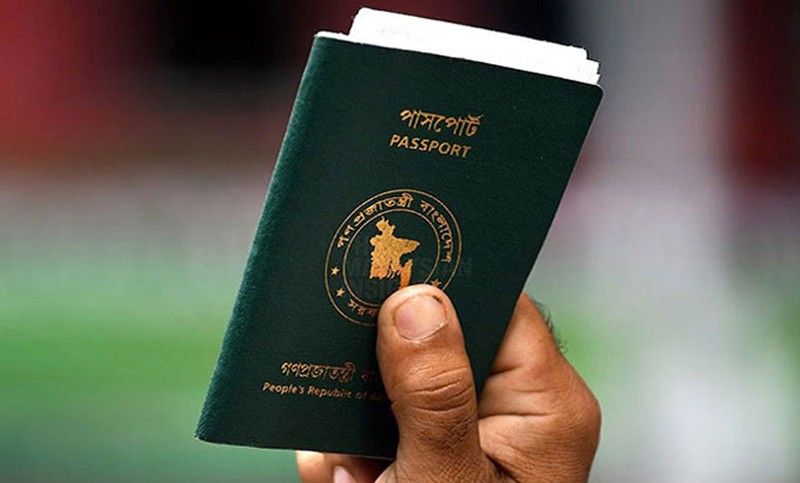
- Valid passport (valid for at least six months from the date of entrance and with at least two blank pages)
- enough money to cover your vacation
- Return or onward travel ticket
Essential Bangladesh travel information
- Bangladeshi taka () is the local currency. $1 is roughly comparable to 104.
- Allow for a daily budget of 4600 ($44) for one person.
- Languages – Bengali (also known as Bangla) is the most widely spoken language in Bangladesh. English is commonly spoken as well.
- Number of visitors per year* – According to the World Bank, 323,000 people visited Bangladesh in 2019. Bangladesh, untouched by mainstream tourism, provides various landscapes, heritage monuments, and kind people.
- Socket types A, C, D, G, and K, 220V supply voltage, and 50Hz frequency.
- Bangladesh Standard Time (GMT+6) is the time zone.
- Chattogram, Srimangal, and Cox’s Bazar are the top three cities to visit.
- The National Martyrs’ Memorial, Shahid Minar, and Saith Gambad Masjid are the top three landmarks/monuments.
Visa information for Bangladesh
Tourist visas are issued by the Bangladesh government to persons traveling for tourism, casual trips to see friends and relatives, or to attend conferences or workshops.
Bangladesh Visitor Visa Explanation
The Bangladesh Visitor Visa allows most visitors to stay in the country for a total of 30 days. After completing the form, you must mail or deliver your application form and supporting papers to your local Bangladesh Visa Application Center (with an appointment).
We will provide you an application form as well as instructions on how to get your Bangladesh tourist visa without any problems. You can contact your personal iVisa Expert at any moment for assistance.
When applying using iVisa, you can select a single-entry, double-entry, or multiple-entry visa. When entering the nation, you must show your visa to local authorities.
The following are the advantages of obtaining your Bangladesh visa using iVisa:
- Completely Government Compliant
- You get unrestricted access to your iVisa Expert.
- Application procedure has been simplified.
- Fill out the form at your leisure.
- Step-by-step directions and helpful hints for the full procedure
Transportation and the best methods to get about Bangladesh:
There are several methods to get to and around Bangladesh, including by boat and by car. Here are some pointers for securely travelling the nation.
Traveling to Bangladesh
29 airlines operate and provide flights to and from 33 destinations at Hazrat Shahjalal International Airport alone. Several major airlines fly to Dhaka International Airport (DAC):
- The national airline, Biman Bangladesh Airlines, has direct flights to the United Kingdom, Canada, India, China, and the Middle East.
- Emirates and Qatar Airways operate many daily flights from Dubai and Doha to Dhaka, linking the nation to the rest of the globe.
- Qatar Airlines
- Etihad Airlines
- Turkish Airlines is a Turkish airline.
- British Airways is a British airline.
Arrival and immigration tips for Bangladesh:

When you arrive in Bangladesh and go through immigration, keep in mind these helpful tips. Immigration procedures can be disorderly and there are often long lines, depending on the time of year and when you arrive. Here are some helpful suggestions to make the process of moving to a new country easier and less complicated:
- To prevent waiting in line and getting a visa upon arrival, it is recommended to apply early for your Bangladesh Tourist Visa, regardless of your nationality.
- Before you leave, make sure you know what documents and forms you need to submit, such as customs and health declarations. Keep in mind that these requirements can change unexpectedly, so it’s important to stay informed.
- Pack lightly and be ready to carry your own bags because the airport might not have trolleys, and there are a lot of scams involving people offering to help with your luggage.
- You can book your airport transportation in advance either with your hotel or a trusted company.
- When you are leaving, make sure to get to the airport at least 4 hours before your flight so that you don’t miss it because of traffic or long lines at the airport. Pack some food and water in case you end up waiting in long lines.
Bangladesh Tourism Overview: Traditions and Heritage:
Religious variety: Despite having a Muslim majority, Bangladesh boasts a sizable Hindu minority throughout the country. There are also tribal populations in the Chittagong hill regions, and Bangladesh has an increasing number of Myanmar immigrants (both before and after the present Rohingya crisis). There is religious concord between Muslims and Hindus in many sections of the country, but conflicts persist in others.
A pleasant greeting: To the untrained eye, it might be difficult to tell who is what faith – not all Muslim women cover their hair, some Hindu women do cover their hair… What difference does it make? The Muslim greeting is “Asalam Aleikum,” whereas Hindus use the Bengali greeting “Nomoshkar.” If you’re not sure, say “good morning” or “hello” instead!
Hospitality offers: Bangladesh’s people have to be the highlight (at least for me). Expect a lot of (generally kind) attention, questions about your family (women, if traveling with a guy or solo, claim you’re married), and offers of tea, supper, and lunch. Culturally, it is important for Bangladeshis to be welcoming to guests, so don’t feel obligated to accept dinner invitations unless they are repeated several times; however, if you can spare a few minutes to have cha (tea) with a new friend, it may become one of your favorite memories.
Typical costs and budget for Bangladesh

A summary of how much you’ll spend on a daily basis while traveling around Bangladesh on a mid-range budget.
- Daily expenditure – around $4,600 ($44) per person, each day. This includes the following:
- Meals – Plan on spending around $1,140 ($11) for three meals each day.
- Local transportation might cost up to $625 ($6) each day, depending on your travel plans and style of living.
- Hotel – In Bangladesh, the average hotel fee for a couple is 5,372 ($52). A one-week trip to Bangladesh for two persons costs an average of 63,562 ($612).
Where to Stay in Bangladesh


- Nishorgo Cottage in Srimongal is environmentally friendly and located amid lovely grounds. It is a popular alternative for international tourists to the area and may assist in arranging trips to surrounding tea farms.
- Gol Kanon Eco Lodge in the Sundarbans offers a really unique opportunity to explore village life in the Sundarbans region.
- Clean, well-positioned, and dependable alternatives in Dhaka include Hotel 71 Dhaka, which is centrally located and within walking distance of the ancient city, and Four Points by Sheraton in upmarket Gulshan.
- Mermaid Eco Resort is located in Cox’s Bazaar. Is a sustainable alternative near to the beach.
if you want to explore bangladesh with your heart content please check our Visiting Bangladesh for more usefull information.
Weather in Bangladesh:

The dry season, from November to March, is the greatest time to visit Bangladesh since it is warm and sunny. Dhaka is pleasant at this time of year, with a maximum temperature of 25°C (77°F).
Temperatures can exceed 40°C (100°F) in March and May, and humidity levels are high, causing thunderstorms. The lengthy monsoon season begins in late May and lasts until October.
Total Guide for Must do and see in Bangladesh


- On your trip to Bangladesh, don’t miss out on these beautiful sights:You can see tigers in the Sundarbans, which is where two big rivers meet near the Bay of Bengal. .
- Take it easy on St. Martin’s Island is a small island made of coral. It has very clear blue water and is extremely beautiful. Being there creates a peaceful feeling that can relax anyone.
- Come to Sajek Valley, a new place for tourists with hills, forests, rivers, and roads in the Kasalong mountain range.
- Kuakata is a very beautiful beach in Bangladesh. It is the only beach in Bangladesh where you can see the sun rise and set.
- Travel back in time to Lalbagh Fort, which is also called Aurangabad Fort. It was a fort built by the Mughals in the 16th century, but was never completed.
Typical Bangladeshi food to try


- Hilsa Curry is Bangladesh’s national dish. It is created using Hilsa fish that has been marinated in turmeric and chili paste before being gently fried. It’s served with rice and mustard gravy. The dish is a spicy blend of sweet and sour ingredients.
- Biryani – A famous dish throughout the Indian subcontinent, Bangladeshi biryani is often considered to be the greatest in the world. Mutton, goat, chicken, and beef are prominent ingredients in Bengali cuisine, but there is a vast range of biryani recipes to select from.
- Chingri Malai – A creamy, flavorful seafood curry made with coconut milk and fragrant spices and served with prawns or shrimp.
- Panta bhat – A superb example of Bangladeshi dish that is also famous in the Bengal area and is primarily connected with working people.
Bangladesh Travel Considerations:
Currency: Bangladesh’s currency is the Bangladeshi Taka. Officially, it is not accessible outside of Bangladesh, although there are exchange businesses in Kolkata’s Sudder Street area that will offer you Taka in return for your Rupees. If you are traveling by bus from India, you may exchange money at the border, but be wary of touts! If you’re travelling in, you can receive your Taka from an ATM or exchange counter at the airport. Exchange shops in Bangladesh are the best places to convert USD to Taka. Not all ATMs accept foreign cards, and there have been incidents of cards being swallowed (eek), so double-check before inserting your card.
Language: Bangla (or Bengali) is the official language of Bangladesh and is nearly identical to Bengali spoken in India. The main difference is the degree of spoken English in Bangladesh: English is not generally spoken, especially outside of cities, and announcements on public transportation, at stations, and so on are not in English. Younger individuals (for example, students) are more likely than elderly persons to speak English. Because numbers are printed in Bangla script, it might be difficult to check coach numbers for trains, uber registration plates, and even rates. You will have an edge if you can learn how to read the Bangla numerals ahead of time!
Weekends and times: Bangladesh is on GMT+6, which means it is 0.5 hour ahead of India. The weekend is either one or two days long (depending on your employment) – everyone has Friday off (the Muslim Sabbath), and government, bank, and (some) office workers have Saturday off as well.
Political Demonstrations and Strikes: Avoid politics and any demonstrations in Bangladesh due of the country’s volatile political condition. Hartals (strikes) are common and can cause transportation havoc and protests; the advise is to stay away from them and report to your hotel if you come across one.
Transportation of Bangladesh:


Bangladeshi auto and bicycle rickshaws: Electric, CNG car, and bicycle rickshaws are available in Bangladesh for short to medium distances. It’s a cheap and easy method to go across cities and towns. Before you board, be sure to negotiate and confirm the fare.
Traveling by boat:
‘Launch travel’ refers to long-distance boats that cruise over Bangladesh’s rivers. Traveling by launch in Bangladesh is an iconic experience, particularly the nocturnal launch from Dhaka to Barisal. Prices vary according to the level of comfort:
- The VIP cabin costs $10,000 ($96).
- 2,500 ($24) for a first-class cabin with air conditioning and a shared restroom.
- 800 ($8) for economy class seats (shared toilet).
- 280 ($3) for third class (floor space).
- Ferries are used to cross rivers quickly from one side to the other.
The buses:
Many buses operate midnight, which is the most perilous time to travel due to the lack of highway safety. The Dhaka-Chittagong motorway is especially renowned for severe crashes. Roadside amenities (aka restrooms) are particularly scarce in Bangladesh (especially for women! ), making bus travel a misery for the small-bladed among us. If possible, I recommend taking the train! On buses, women usually seat in the front (and males in the back).
Travel via train:
Aside from experiencing sluggish travel on the Rocket, using the railway is one of the greatest ways to travel in Bangladesh. Although the railway network is antiquated, trains are generally comfortable (provided you don’t mimic some of the locals who climb up to the roof). Trains between cities are typically good, pleasant, and dependable. Mail trains, on the other hand, are sluggish, almost usually (very) late, and employ very old and deteriorating rolling equipment).
Prepare yourself… for Dhaka traffic:
“It can’t be that bad” – yet it is. Prepare accordingly. It’s not unusual to take two hours to traverse town. As a result, many buses are sluggish and unpleasant modes of transportation. Dhaka is reportedly developing a metro, although it is nowhere near completion.
Dhaka transportation on three wheels:
One of the most efficient methods to avoid Dhaka traffic is to go on three wheels, either in a (cycle) rickshaw or an auto rickshaw (known as a CNG). Cycle rickshaws are only accessible for short distances and should be avoided at night – brace yourself and the rickshaw for a rough ride! Uber was recommended to me as an excellent option, particularly at night. Communicating with the driver without knowing Bangla can be difficult, but I was able to get kind English-speaking individuals in Dhaka to assist me.
While traveling, keep a close check on your belongings:
Petty theft is a problem, especially with mobile phones. Cycle rickshaws are an exposed target and should be avoided at night, as have CNG vehicles. If you have a high-end phone, consider purchasing a low-cost model for usage in Bangladesh. On trains, youngsters are known to climb onto carriage rooftops and hang each other down after dark in an attempt to steal items through open windows (I observed this), therefore make sure the windows are locked. This is largely minor stealing, and based on what I’ve seen and heard, violent crime is far less of a problem than opportunistic snatching.
Tips for Solo Female Travelers in Bangladesh
Realize that different regulations may apply to women:
Traveling in Bangladesh reveals that many individuals have varied cultural expectations and roles for men and women. For example, most Bangladeshi women do not travel (alone) after dark, thus it is best to follow their example. There are typically “family” spaces (often curtained off) at restaurants for women/couples/families to sit in – they’re actually a terrific way to enjoy some peace and quiet, but as a visitor, you’re fine sitting in the main area as well.
Dress appropriately:
to respect the local culture as well as to portray oneself in the proper way. A salwar kameez, which is a native style Indian / Bangladeshi tunic, loose pants, and a scarf that may be thrown over your chest or over your head, is the ideal apparel for ladies in Bangladesh . You may also be as colorful as you like. If you don’t want to look like a native, stick to loose full-length trousers, long shirts that conceal your behind, and a scarf to cover your chest/head. In general, make sure your entire leg is covered, your arms are down to your elbows, and you avoid any tight clothing.
So, here is the final travel guide to Bangladesh. I tried to cover every necessary that you should be aware of for a pleasant trip. Follow the advice in this article to stay safe when traveling in Bangladesh.